Introduction to Zendesk
Zendesk has become a major player in the customer service software industry, offering a suite of tools aimed at improving how businesses interact with their customers. Launched in 2007, Zendesk started as a simple ticketing system and has since evolved into a comprehensive customer experience platform used by businesses of all sizes, from startups to multinational corporations. Its main selling point is to streamline customer support through an omnichannel approach, enabling support teams to respond across email, chat, social media, and more — all from a single zendesk review, unified interface. In this review, we’ll explore Zendesk’s key features, pricing, usability, integrations, pros and cons, and its suitability for different types of businesses.
Key Features and Functionality
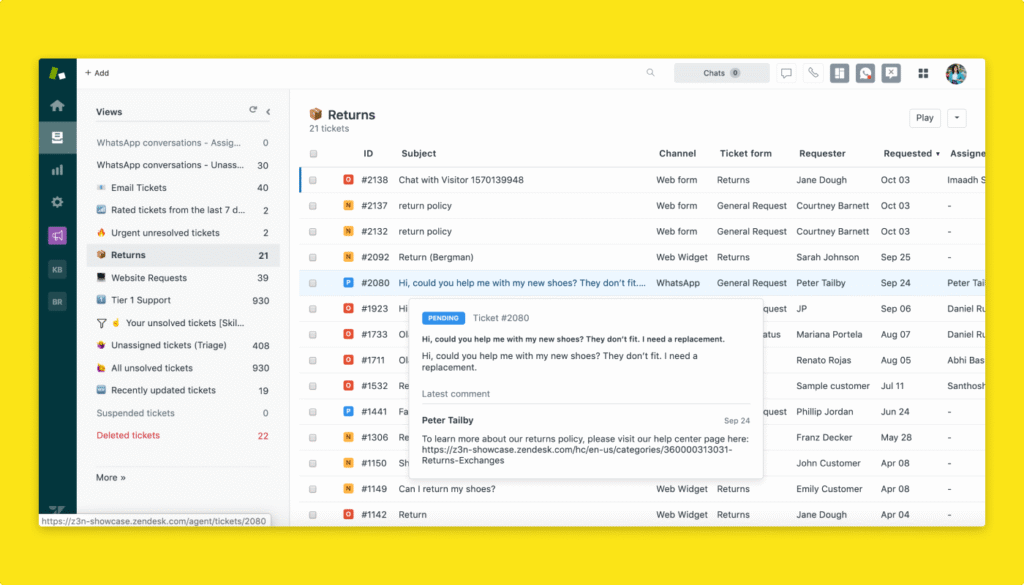
At the heart of Zendesk’s appeal is its robust ticketing system. The platform automatically converts customer queries from various channels into manageable tickets, which can be assigned to agents and tracked through their resolution. This ensures no customer concern falls through the cracks. Zendesk’s support suite includes tools for live chat, voice, email, social media, and even SMS, allowing customers to reach out on the platform of their choice. A powerful AI and automation engine helps reduce agent workload by automatically tagging tickets, suggesting help articles, or even responding to simple queries with bots. Zendesk also includes a knowledge base module, which businesses can use to create self-service portals and help centers, further reducing the volume of support tickets.
Another standout feature is its reporting and analytics capabilities. Zendesk’s dashboards give support managers deep insights into metrics such as ticket volume, response time, customer satisfaction scores, and agent performance. These insights can be used to improve workflows, allocate resources more efficiently, and ultimately deliver a better customer experience. Customizable workflows and triggers allow support teams to automate routine tasks, such as assigning tickets to specific agents based on issue type or priority, which can significantly improve efficiency and consistency in customer service.
Usability and Interface
Zendesk is known for its clean and intuitive user interface, making it relatively easy to set up and use, even for teams with limited technical expertise. The agent workspace is particularly well-designed, bringing in all customer information, conversation history, and interaction channels into one screen. This unified view helps support agents respond more quickly and effectively to customer inquiries. While the initial learning curve exists, especially for teams new to customer service platforms, Zendesk offers extensive training resources, webinars, and certification programs to help users get the most out of the system. Admins can also customize the platform extensively to suit their organizational workflows.
Pricing and Plans
Zendesk offers multiple pricing tiers, catering to different business sizes and needs. The basic “Support” plan is geared toward small teams and starts at an affordable price point, offering core ticketing functionality and email support. As you move up to the “Suite” plans, features like live chat, AI-powered bots, reporting tools, and advanced automation become available. These higher-tier plans are more expensive and better suited to mid-sized or enterprise-level businesses. Zendesk also offers an Enterprise plan with tailored solutions, premium support, and advanced analytics. While some users find Zendesk to be on the pricier side, particularly when scaling or requiring advanced features, many believe the investment is justified given the platform’s comprehensive capabilities.
Integrations and Ecosystem
Zendesk integrates with a wide variety of third-party tools, including popular CRM platforms like Salesforce, HubSpot, and Zoho, as well as project management tools like Jira and Trello. The Zendesk Marketplace offers hundreds of apps and add-ons that extend the platform’s functionality, allowing businesses to tailor their support systems to meet specific needs. Whether you need eCommerce integrations with Shopify, analytics tools like Google Analytics, or productivity apps like Slack, Zendesk has built an ecosystem that supports seamless workflow integration.
Pros and Cons
Zendesk offers numerous advantages. Its wide range of features, strong reporting tools, omnichannel support, and excellent scalability make it a strong choice for many businesses. It also supports global teams with multi-language capabilities and 24/7 availability. However, there are some drawbacks. The pricing can be a concern for smaller businesses, and some users report that customization options, while powerful, can be complex to implement without technical help. Additionally, the reliance on add-ons for certain functions can increase overall costs.
Conclusion: Is Zendesk Worth It?
Zendesk stands out as one of the most reliable and feature-rich customer service platforms available today. It’s particularly well-suited for growing businesses that need a scalable, flexible, and professional solution to manage customer interactions. With its comprehensive feature set, strong analytics, and omnichannel support, Zendesk provides businesses with the tools they need to deliver exceptional customer service. While it may require a significant investment, especially at the enterprise level, many organizations find that the productivity and customer satisfaction gains more than justify the cost. Whether you’re a startup aiming to provide professional-grade support or a large enterprise looking to streamline complex support operations, Zendesk is certainly worth considering.